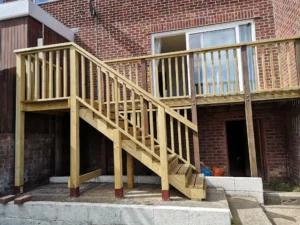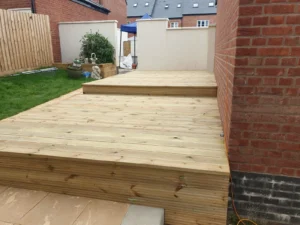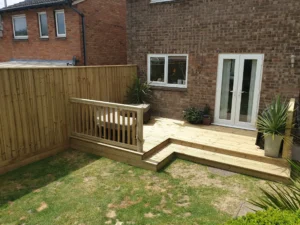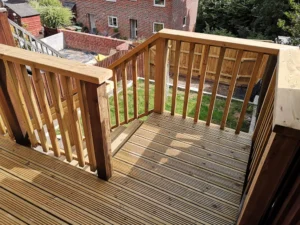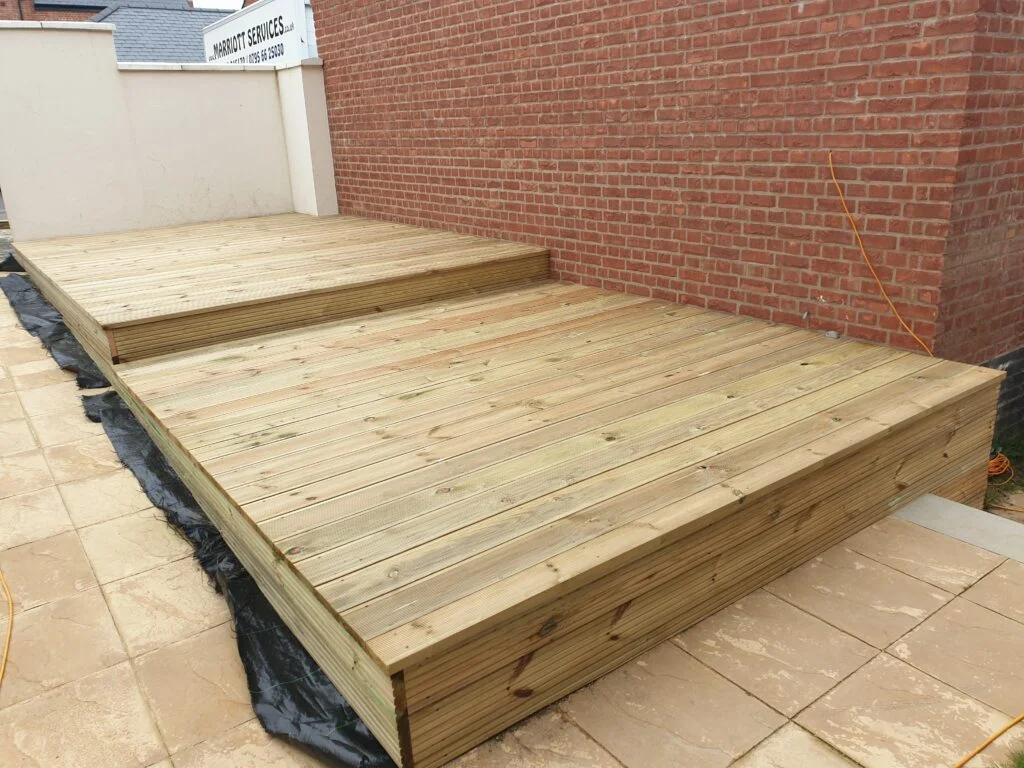
Decking
Fencing
Gates

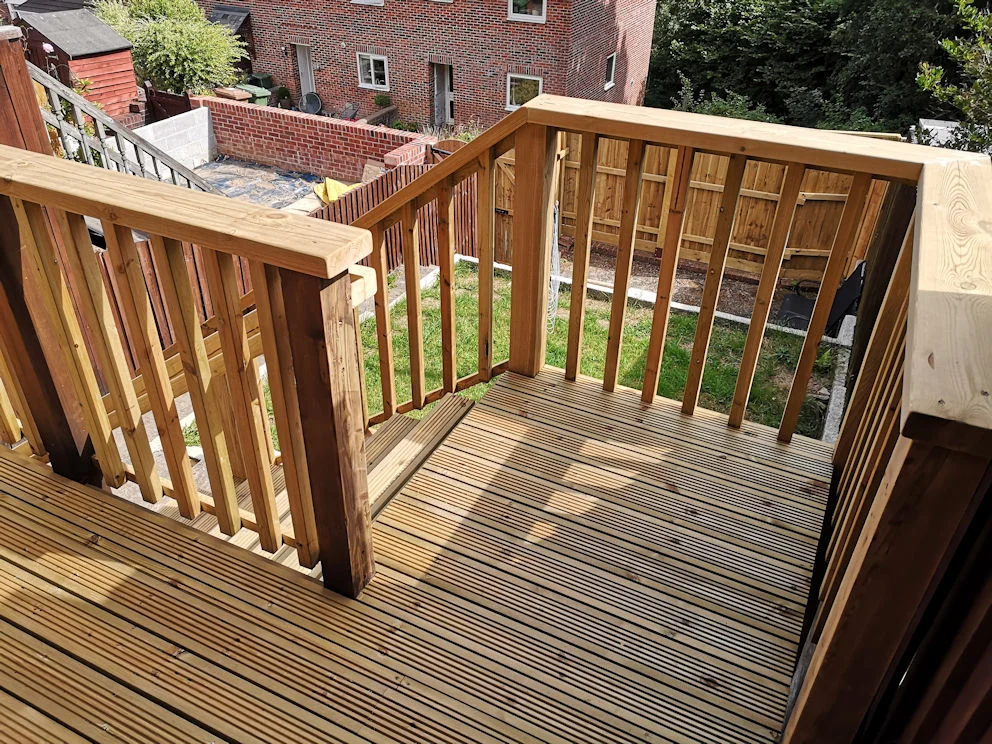
If you’ve got decking in your garden and you’re wondering whether it should have needed planning permission, you may have come across something called the 4 year rule. It sounds reassuring, but it’s often misunderstood.
In simple terms, the 4 year rule used to be a time limit on planning enforcement. If certain building works were carried out without permission and the council didn’t take action within four years, those works could become lawful in planning terms.
That rule mattered for some types of raised decking, but the rules have changed. Understanding how and when it applies can save a lot of stress.
Under the old system, the 4 year rule applied to certain physical building works, known in planning terms as operational development. This could include raised decking where planning permission should have been applied for but wasn’t.
If the decking had been in place for four continuous years without the council taking enforcement action, it could become immune from enforcement. In other words, planning permission was no longer required after that point.
Homeowners would usually need to prove this by applying for a Certificate of Lawfulness. Evidence could include dated photos, receipts, statements, or anything else that showed the decking had existed unchanged for at least four years.
As of April 2024, the general 4 year rule for unauthorised building works has been replaced by a 10 year rule across the UK.
This means that if decking requiring planning permission is built today without approval, it would normally need to remain in place for ten years, not four, before becoming immune from enforcement.
There is one important exception. If the decking was substantially completed before late April 2024 and had already reached four continuous years by that point, it may still benefit from the old rule. Each case depends on evidence and timing.

No, and this is where a lot of confusion comes from.
Many garden decks never needed planning permission in the first place. Low level decking is often allowed under permitted development rules, as long as it stays within certain height limits and doesn’t affect neighbouring properties or protected land.
The 4 year rule, and now the 10 year rule, only matters where planning permission should have been obtained but wasn’t.
That’s why height, positioning, and when the decking was built are so important.
If you already have decking and you’re unsure where you stand, the safest next steps are simple.
Check the height of the deck from ground level, especially if it’s raised. Make a note of when it was built and whether it has been altered since. If there’s any doubt, speaking to the local planning authority can clarify matters before it becomes a problem.
If you’re planning new decking, getting advice upfront is always easier than trying to fix issues later. A properly designed and installed deck avoids planning headaches altogether.
Planning rules can feel overwhelming, especially when guidance online is often outdated or contradictory. Local conditions, garden layouts, and neighbouring properties all play a part.
If you’d like practical advice based on real gardens in Plymouth, it’s always worth speaking to a professional who understands how decking is built correctly, safely, and within the rules.
Getting it right from the start saves time, money, and unnecessary stress.
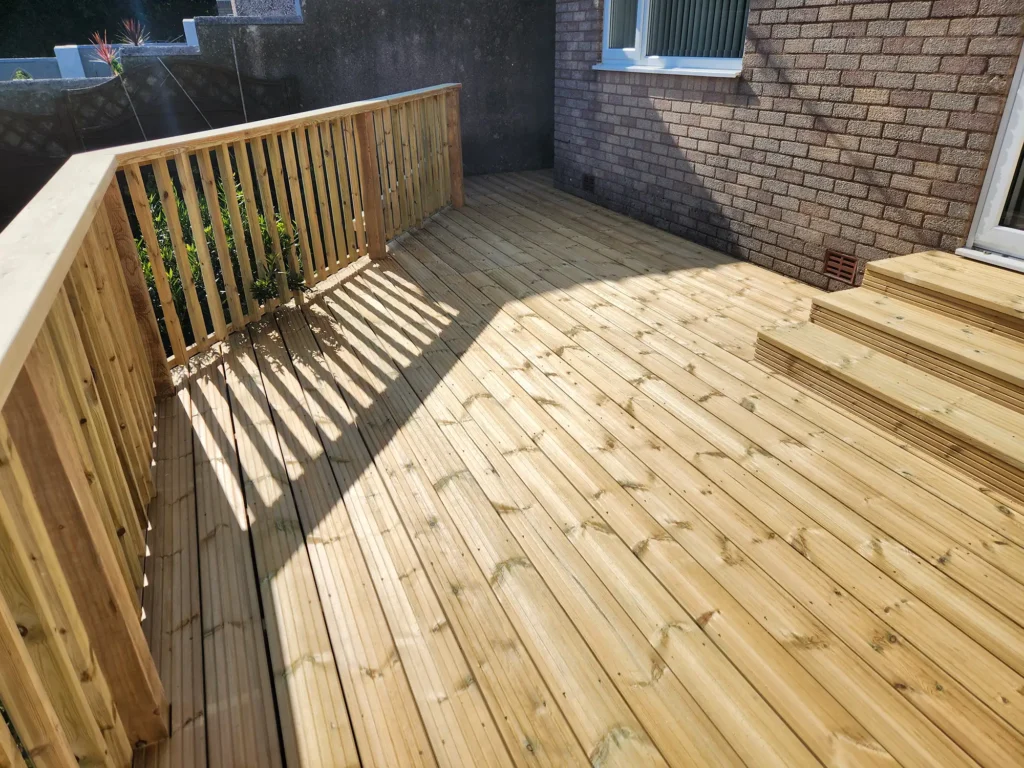
In most cases, no. The general 4 year rule has been replaced by a 10 year rule. However, decking completed before April 2024 may still fall under the old rule if it had already been in place for four continuous years without enforcement.
Not always. Many decks are allowed under permitted development if they are low level and meet certain conditions. Planning permission is more likely to be needed for raised decking or decks that impact neighbours or protected areas.
Decking raised more than around 30cm above ground level is more likely to require planning permission. Height is measured from the natural ground level, not from sloping or built up areas.
Evidence can include dated photographs, invoices, bank statements, or written statements showing when the decking was completed and that it hasn’t been changed since.
Start by checking the height and build date. If there’s any doubt, contact the local planning authority or seek professional advice before making changes or selling your property.