
Best for Homes in Plymouth and Devon
If you are planning a new deck or replacing an old one, one of the biggest decisions you will face is whether to choose traditional wooden decking or modern composite decking. Both have their place, but in a damp, coastal climate like Plymouth and much of Devon, the differences become far more noticeable over time.
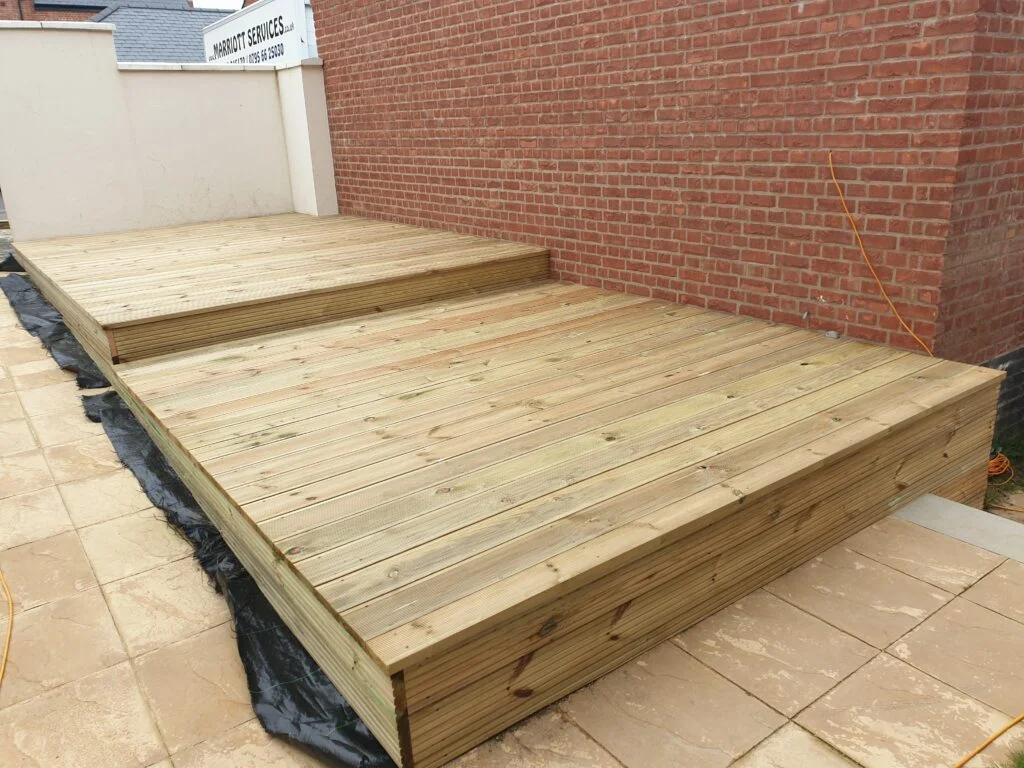
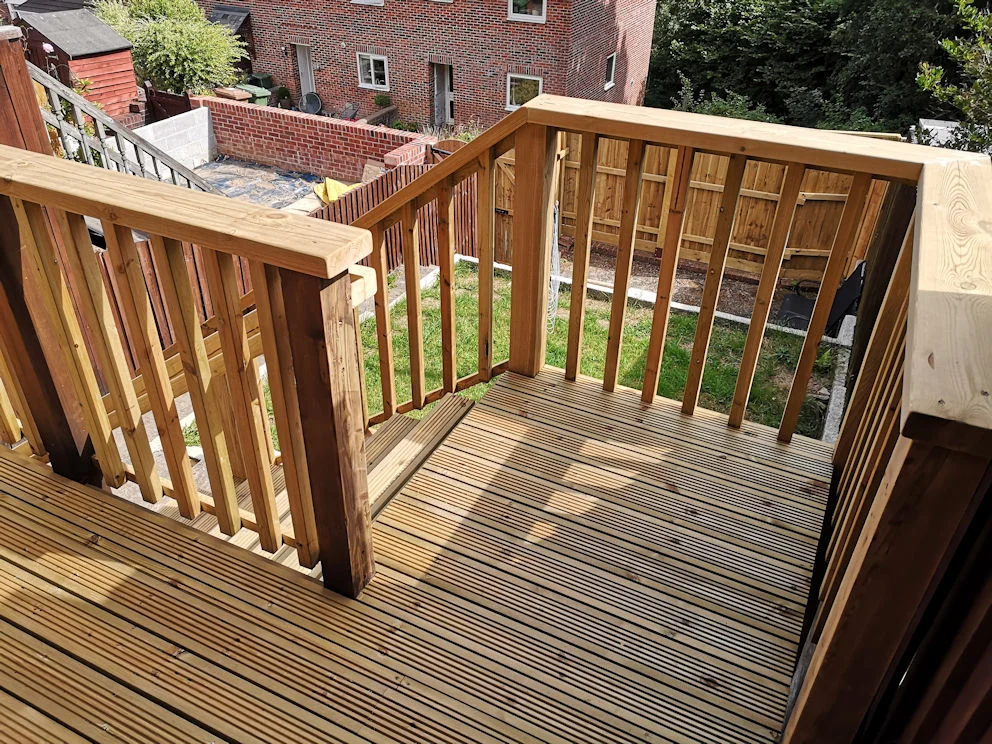
At first glance, timber decking looks appealing. It is cheaper upfront and has a natural, classic look. Composite decking, on the other hand, costs more to install but is often chosen for its durability, safety and lower maintenance, especially in wet UK conditions.
Below, we break down the real-world differences to help you decide which option suits your home, lifestyle and budget.
The Key Difference Comes Down to Long-Term Performance
Wooden decking is usually the cheapest option at the point of installation, particularly softwood. Composite decking typically costs more per square metre, but it is engineered to cope better with moisture, algae and temperature changes.
In Devon’s maritime climate, where rainfall, shade and salt air are common, how a deck behaves after five, ten or fifteen years matters more than how it looks on day one.
Cost: Upfront vs Lifetime Value
Softwood decking is normally the lowest-cost option initially. Hardwood decking can last longer but is often prohibitively expensive for many homeowners. Composite decking sits at the higher end of the upfront cost scale.
However, when you factor in ongoing maintenance, the picture changes. Timber decks require regular cleaning, staining or oiling, and occasional board replacement. Over a 10 to 15 year period, those costs can significantly narrow the price gap, and in some cases exceed the cost of composite.
Composite decking generally only needs periodic cleaning with soapy water, with no sealing or staining required.
contact us

Lifespan and Durability in Devon Weather
In ideal conditions, softwood decking may last 10 to 20 years if well maintained. Hardwood can last longer, sometimes 25 years or more, but only with careful detailing and ongoing care.
Composite decking is commonly quoted at 25 to 30 years, depending on the brand and product type. Its resistance to moisture, insects and biological decay makes it far more stable in damp UK conditions, where timber can struggle.
Repeated wet and dry cycles cause timber to swell, shrink and warp. Composite boards absorb far less water, so they move less and maintain their structure for longer.
Slip Resistance and Safety in the Rain
This is one of the biggest practical differences, especially for families and older homeowners.
Timber decking, particularly softwood, often becomes slippery when wet. Algae growth, surface wear and damp shade can make the problem worse over time, increasing the risk of slips and falls.
Many composite decking boards are manufactured with textured, anti-slip surfaces and consistently perform better in wet conditions. In areas like Plymouth, where rain and sea air are part of everyday life, this can make a noticeable difference in day-to-day use.
Algae, Mould and Ongoing Maintenance
Wood is naturally porous, which means it absorbs moisture and provides a food source for algae and fungi. Shaded or north-facing gardens in Devon often require frequent cleaning and biocidal treatments to keep timber decks safe and presentable.
Composite decking dries faster and does not hold moisture in the same way. While surface algae can still appear in very damp or shaded areas, it is generally easier to clean and slower to return.
For homeowners who want a low-maintenance garden, composite decking is usually the more practical choice.
How Different Decking Types Perform in UK Conditions
Not all decking materials behave the same
-
PVC and recycled plastic decking perform best against algae and moisture. They are non-porous and extremely resistant to mould, though they tend to sit at the premium end of the market.
-
Capped composite decking offers excellent protection, with a protective outer shell that limits water absorption and staining.
-
Uncapped composite decking still outperforms timber but may need more cleaning in shaded gardens.
-
All timber decking, including hardwoods, remains the most vulnerable to moisture and biological growth without regular treatment.
Sustainability and Environmental Impact
Sustainability depends heavily on product choice. Certified timber from responsibly managed forests can be an environmentally sound option and is biodegradable at the end of its life.
Composite decking often incorporates recycled plastics and wood fibres. Its longer lifespan means fewer replacements over time, which can offset the environmental cost of production.
For many homeowners, longevity and reduced replacement are just as important as raw material sourcing.
Which Is Right for Your Home?
There is no single correct answer, but some general guidance helps:
-
Choose wooden decking if you value a traditional look, are comfortable with regular maintenance, and want the lowest upfront cost.
-
Choose composite decking if you want a safer, more durable, low-maintenance solution that performs well in wet, coastal or shaded conditions.
For busy households, rental properties, holiday lets and exposed gardens, composite decking often proves the more practical long-term investment.
Wooden Decking vs Composite Decking – FAQs
For Devon’s damp, coastal climate, composite decking generally performs better. It resists moisture, rot and warping far more effectively than timber and is less prone to algae build-up, making it safer and lower maintenance in wet conditions. Wooden decking can work, but only with regular cleaning and treatment.
Wooden decking is usually cheaper to install initially, especially softwood. However, over 10 to 15 years, composite decking often works out better value once you factor in the cost of cleaning, staining, treatments and occasional timber replacement.
Most modern composite decking boards are designed with textured, anti-slip surfaces and perform well in the rain. Timber decking, particularly softwood, can become slippery when wet, especially as algae develops over time if it is not cleaned regularly.
-
Softwood decking typically lasts 10 to 20 years with good care
-
Hardwood decking can last longer but is significantly more expensive
-
Composite decking is commonly rated at 25 to 30 years, depending on the product and maintenance
In UK conditions, composite decking usually maintains its structure and appearance for longer.
No decking is completely maintenance free, but composite comes close. It usually only needs occasional cleaning with warm water and mild detergent. Wooden decking requires ongoing cleaning, staining or oiling to protect it from moisture and decay.
Timber decking does not rot immediately, but in damp climates like Plymouth and much of Devon, untreated or poorly maintained wood is vulnerable to rot, warping and structural softening over time. Regular treatment and good drainage are essential to slow this process.
Composite decking performs better in shaded gardens because it dries faster and resists algae and mould growth. Timber decks in shaded areas often need frequent cleaning and treatment to stay safe and presentable.
Composite decking cannot be sanded like timber. If a board is badly damaged, it usually needs replacing. Timber decking is easier to patch, sand or refinish, which some homeowners prefer for long-term flexibility.
It depends on the product. Certified, responsibly sourced timber can be a sustainable choice and is biodegradable. Composite decking often contains recycled plastics and wood fibres, and its long lifespan means fewer replacements over time. Both options can be environmentally responsible when chosen carefully.
Composite decking is often preferred for families and pets because it offers better slip resistance, fewer splinters, and a more consistent surface. Timber can be comfortable underfoot but requires more upkeep to remain safe.
Choose wooden decking if you want a natural look and are happy to commit to regular maintenance. Choose composite decking if you want a safer, longer-lasting, low-maintenance solution that copes well with wet, coastal or shaded conditions.
If you are unsure, a site visit can help assess exposure, drainage and usage to recommend the most suitable option.
Need Advice on Decking for Your Garden?
Every garden is different. Exposure, drainage, shade and how you plan to use the space all affect which decking material will work best.
If you are considering decking installation in Plymouth or across Devon, a site-specific assessment can help you choose a solution that looks good now and performs well for years to come.

