
Garden fences, gates and decking in Plymouth
A secure boundary and a garden you want to sit in.
We're a small family business. We put up fences that mark your boundary properly, hang gates that shut and lock, and build decks on the slopes and rough corners that some gardens have.
What we build
Four jobs we can help you with
Garden fences
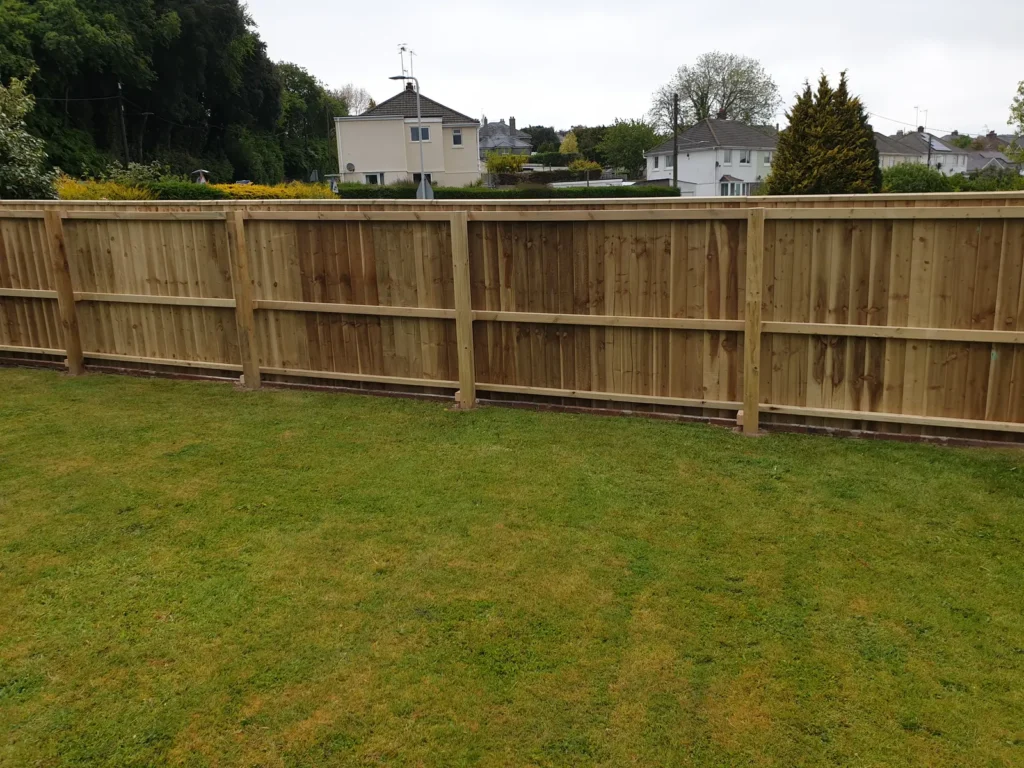
Posts set in concrete, built to stay straight through a Plymouth winter.
Garden gates
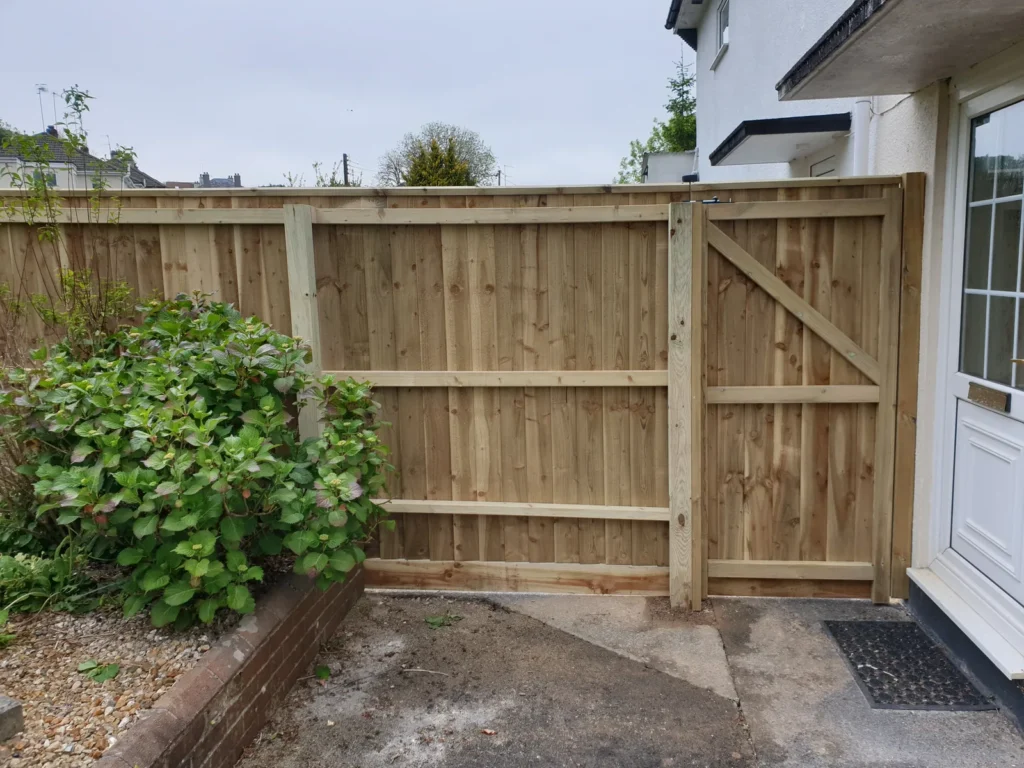
Side and back gates made to fit your gap, hung so they close first time.
Wooden decking
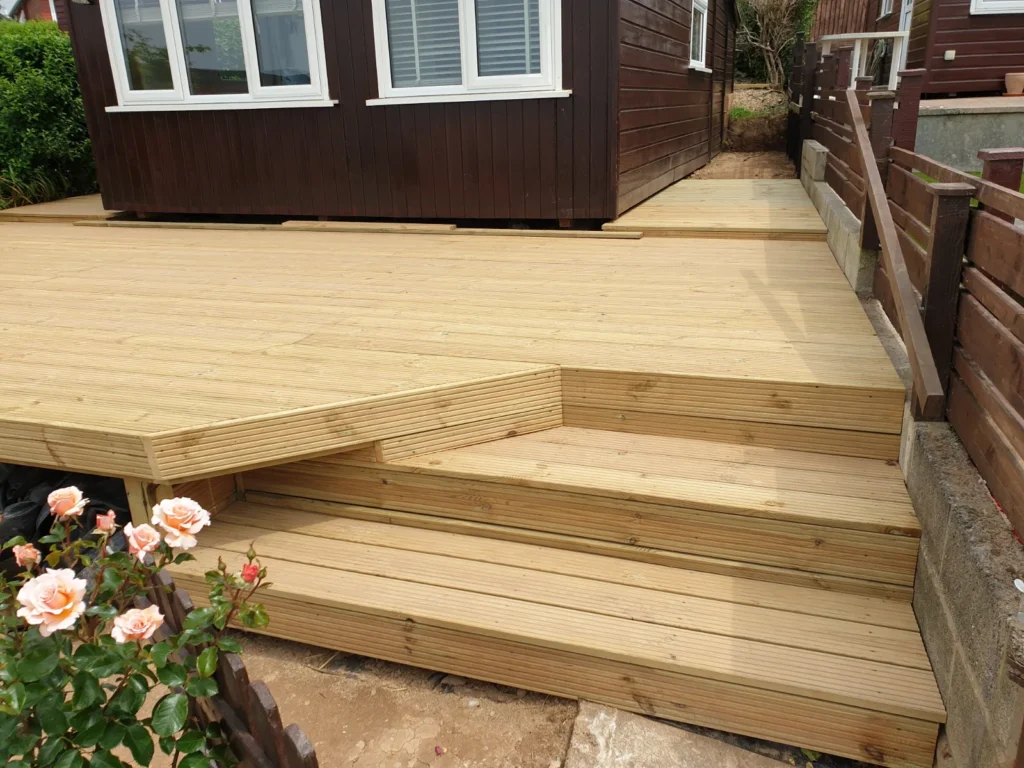
From a step out of the back door to raised decks with stairs and handrails.
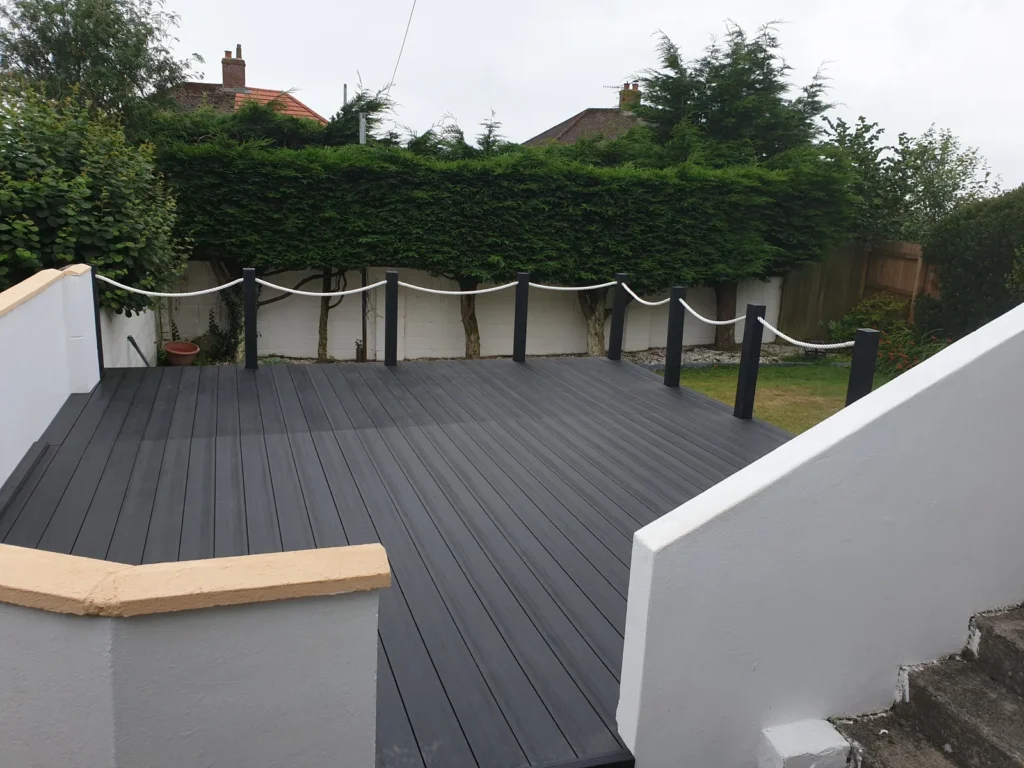
Composite decking
No splinters, no staining, no green slime. Just a sweep now and then.
Before and after
The bit of garden you never use
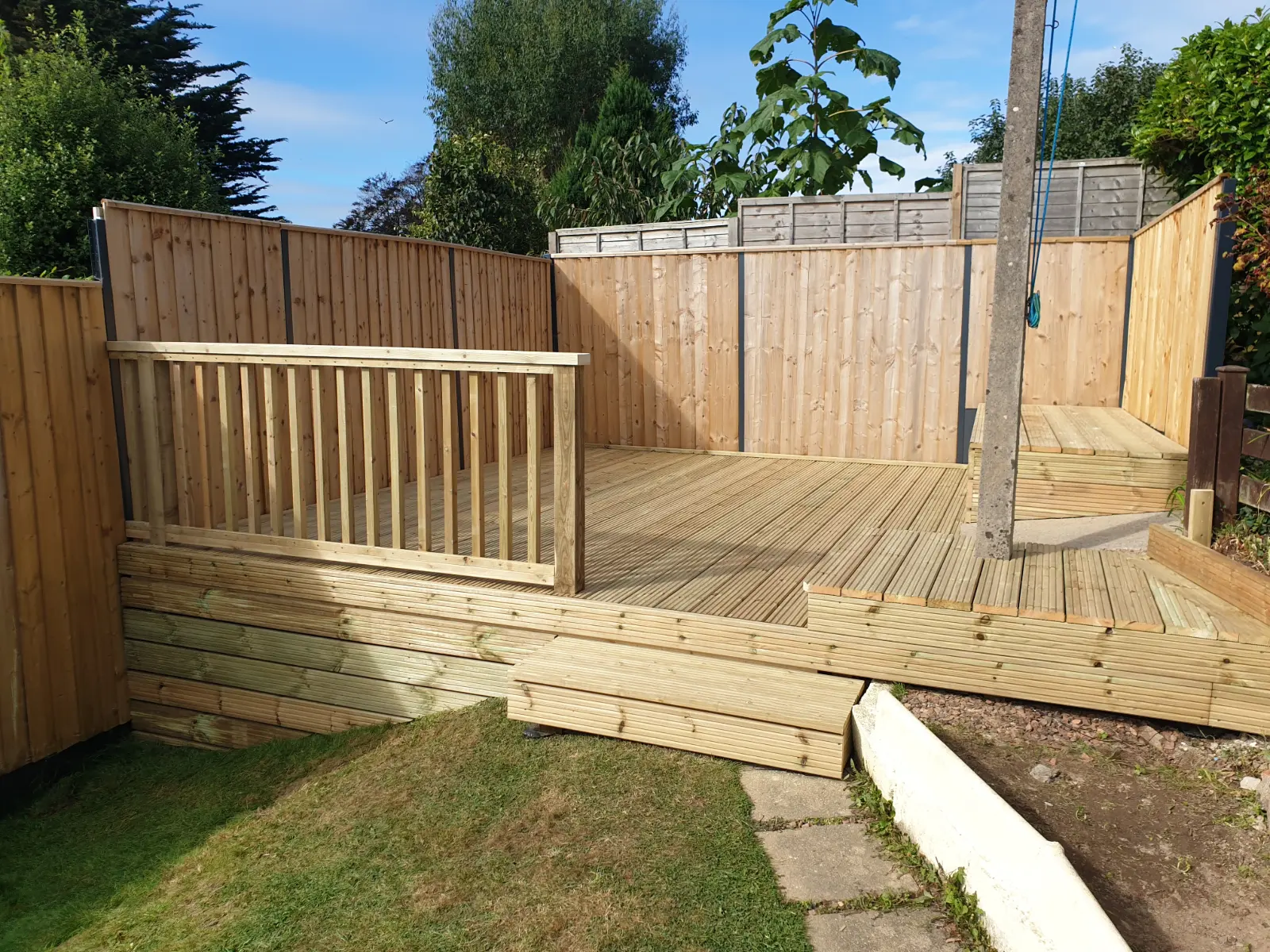
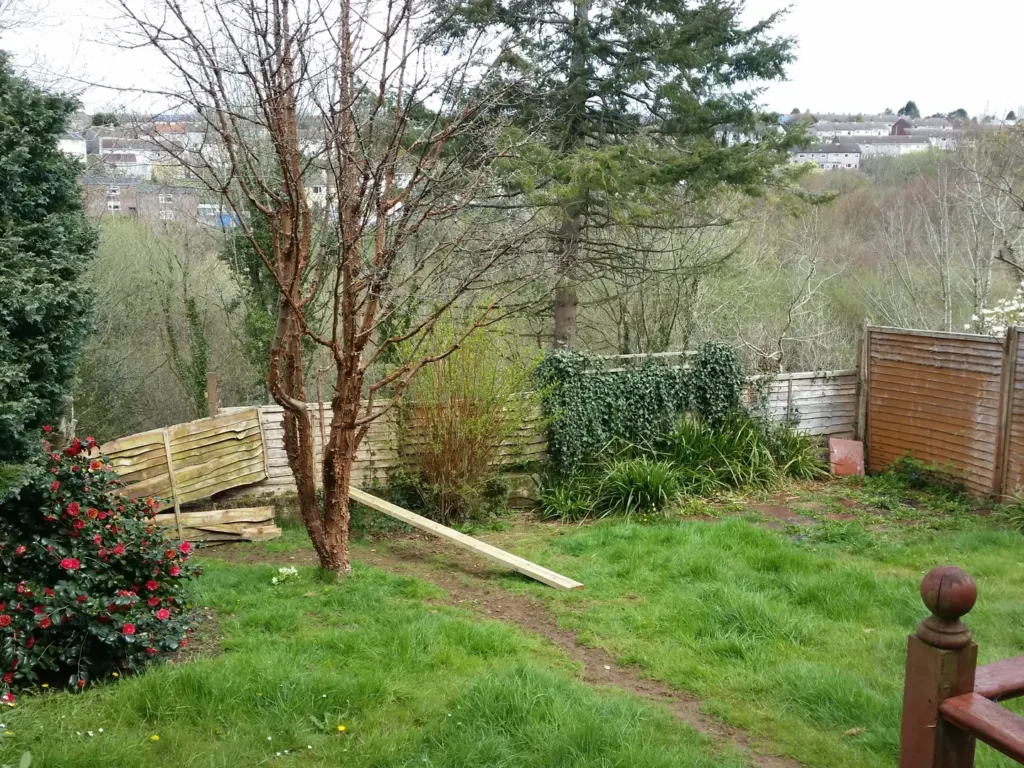
A lot of our decking jobs start with a slope, a patch of rough grass or an old deck gone soft.
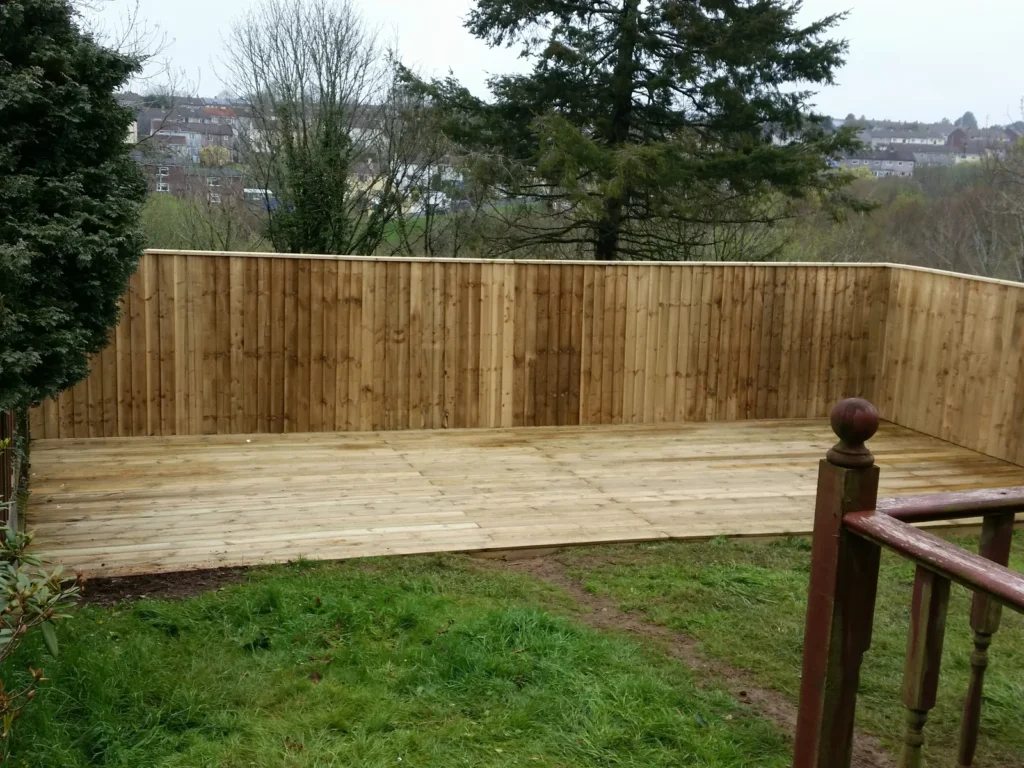
This garden was an uneven, overgrown corner, with broken fence panels.
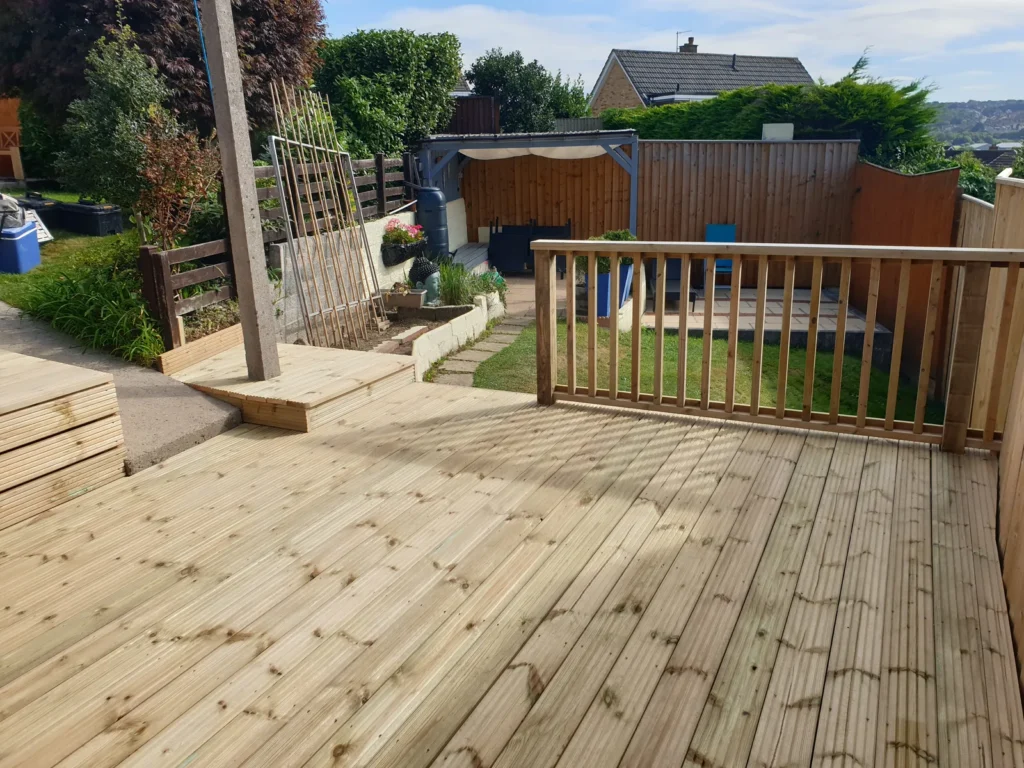
Now it's level, secure and somewhere to put a table.
What customers say
"We had a complex space that needed a raised deck, Patrick built exactly what we needed and his work was excellent. Patrick was extremely tidy, reliable and polite."
How it works
From first call to finished job
We come and measure up
Patrick visits, looks at the ground and the access, and talks through what you want from the space.
You get a clear estimate
Patrick can talk you through the price, so you know exactly what you're paying for.
We build it and tidy up
We take the old fence or deck away and leave your garden clean at the end of each day.
Common questions
Quick Answers Before You Call
Do I need planning permission for a deck?
In England, decking up to 30cm above the ground is permitted development and needs no planning application, as long as it and any other extensions and outbuildings cover no more than half of the garden, and none of it is on land in front of the wall forming the front of the house. Extra limits apply in places such as National Parks and the grounds of listed buildings, and the rules do not cover flats. If you are unsure, ask your local planning authority.
How tall can my fence be without planning permission?
You can usually put up a fence without planning permission if it is no more than 1 metre high next to a road used by vehicles (or its footpath), or no more than 2 metres high anywhere else. You will need permission if any part of the site is a listed building or within its curtilage, or if the fence forms a boundary with a neighbouring listed building. Check with your local planning authority before starting work.
How long does a wooden fence last?
A good quality timber fence that has been treated correctly should last at least 25 years. How long yours lasts depends on the type of timber treatment, the size of the posts, whether gravel boards are fitted, the quality of the fixings and how deep and firmly the posts are set.
Should I choose concrete or wooden fence posts?
Timber posts that are pressure treated and well drained can last about as long as concrete. They are lighter, and panels can be screwed straight to them, which stops rattling and makes it harder to lift panels out. Concrete posts do not rot and cope well in high winds, but they are heavy (around 40kg each), cost more, and cracks can let water in. The source is written by a timber post maker, so it is worth asking for a view on which suits your garden.
Who owns the fence between me and my neighbour?
In England and Wales there is usually no official record of who owns the fence between two properties, and most title plans do not show exact boundaries. If you want it settled, you can make a boundary agreement with your neighbour, apply for a determined boundary, or apply to correct a mistake on a title plan.
Source: GOV.UK: Your property boundaries
Fence blown down? Garden going to waste?
Tell us what you have in mind and roughly where you are. We cover Plymouth and the surrounding areas.