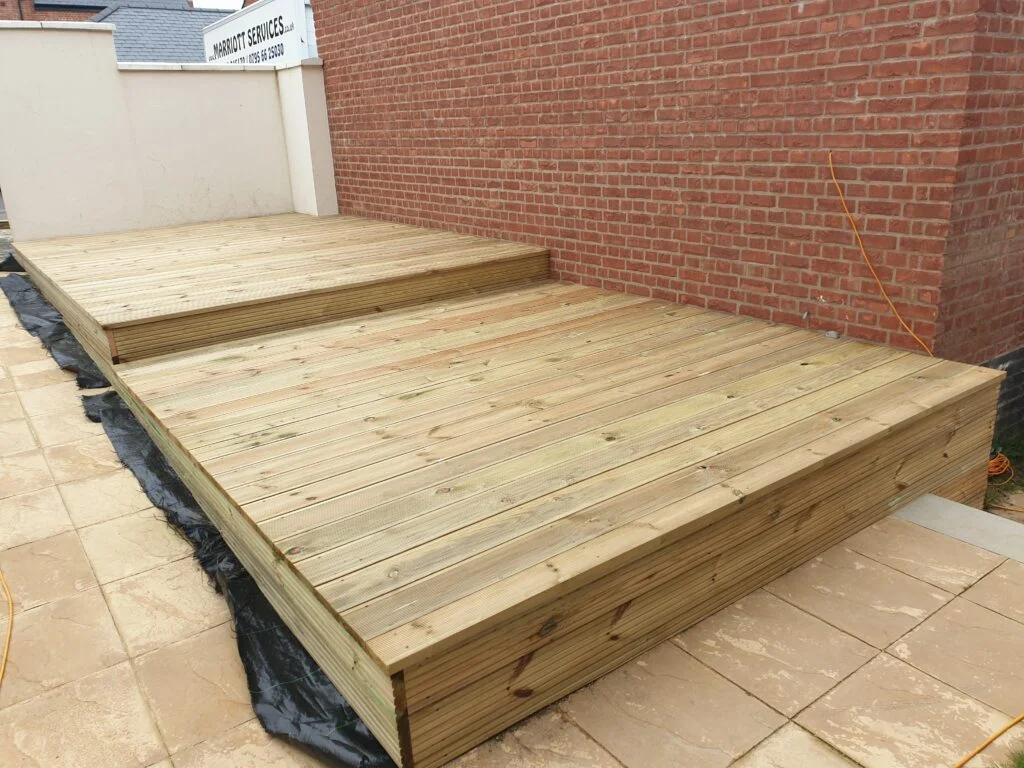
Decking
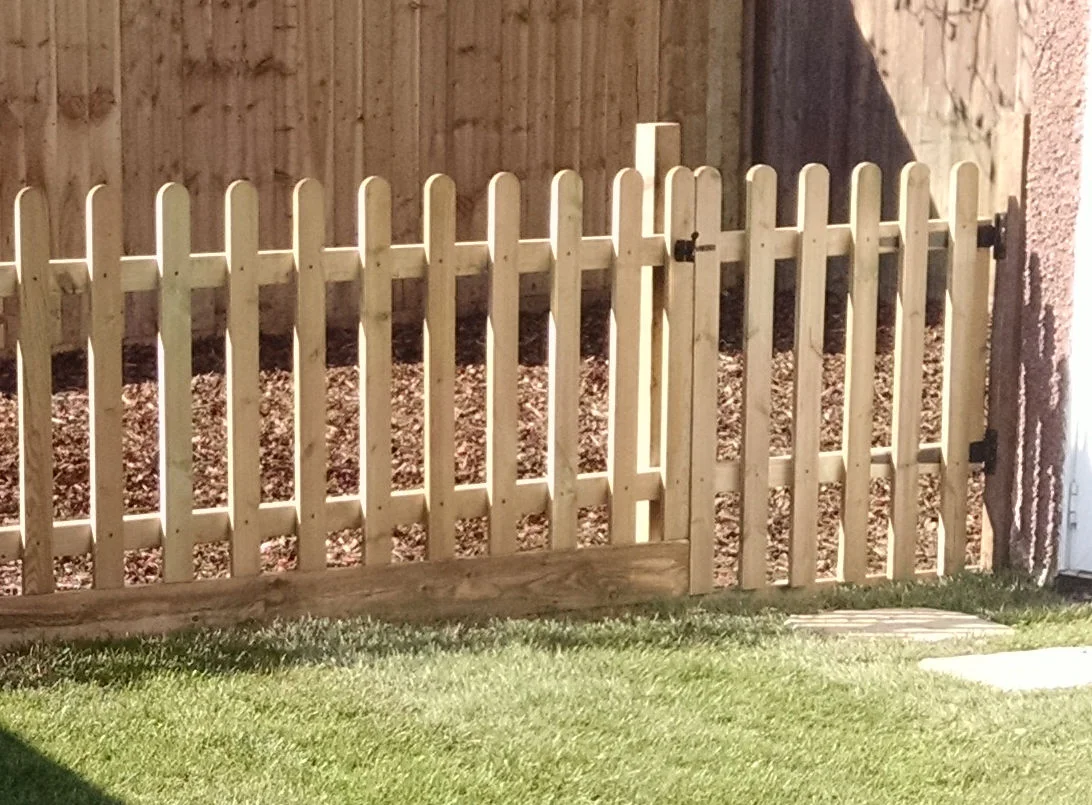
Fencing
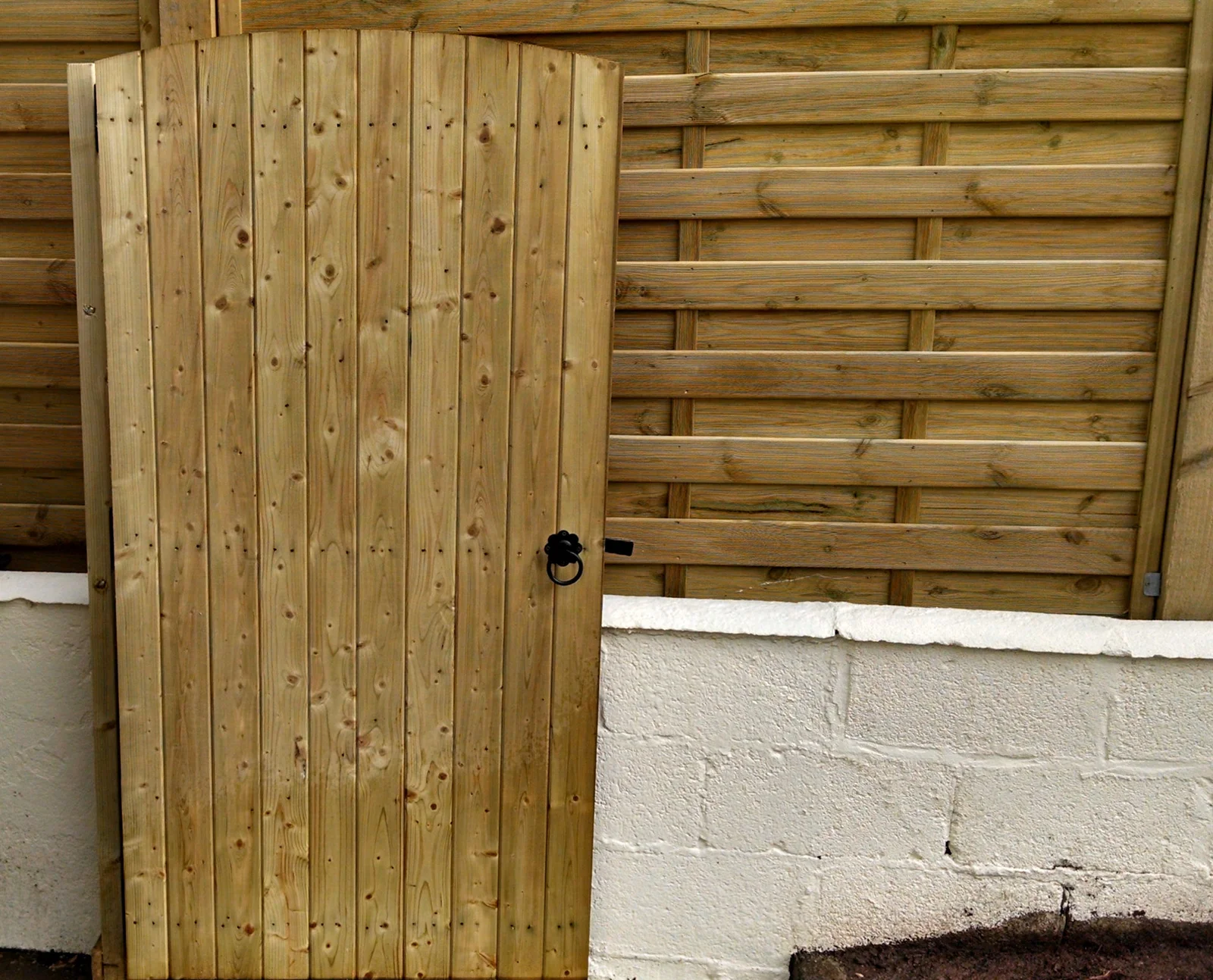
Gates

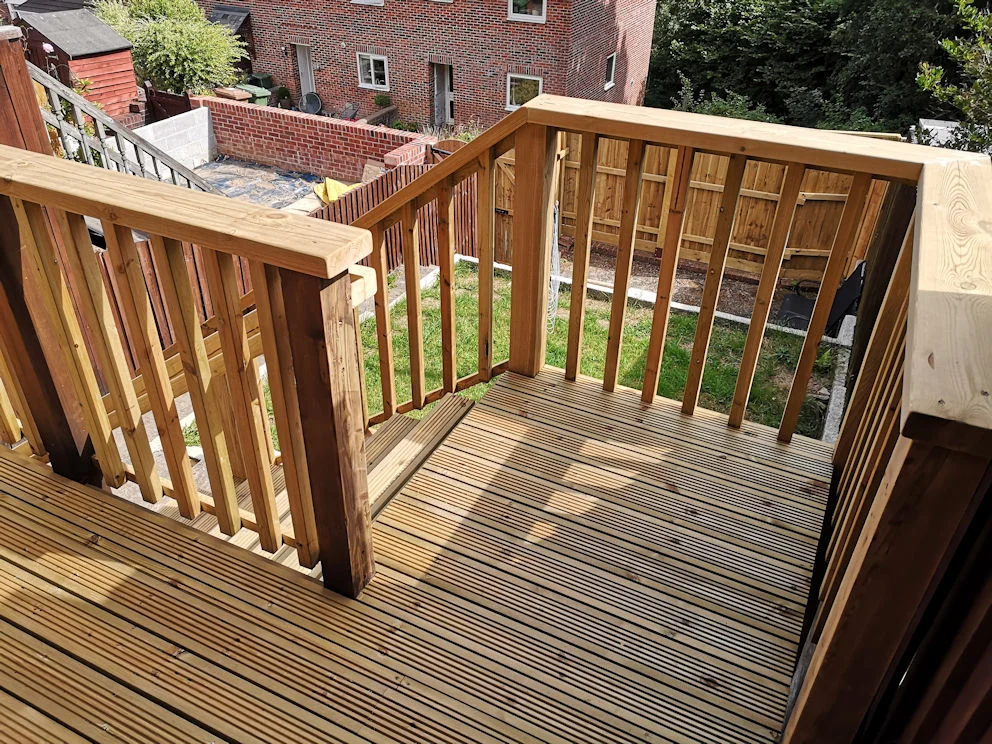
A garden gate shouldn’t feel like an afterthought. The right gate looks like a natural extension of your fencing, matching both material and style, while also working properly day to day.
In UK gardens, gates deal with regular use, changing weather and movement over time. Choosing the right type from the start helps avoid sagging, sticking and premature repairs.
This guide explains how to choose a gate that fits your fence and performs well long term.
Timber gates remain the most common choice for garden and side access across the UK.
They’re often built to match:
Closeboard fencing
Featheredge fencing
Overlap panel systems
Decorative picket fences
Classic, natural appearance
Easy to customise
Can match existing fencing exactly
Suitable for both traditional and modern gardens
Timber gates can be:
Fully solid for privacy
Open slatted for airflow
Arched or flat topped
Decorative with feature detailing
Like timber fencing, wooden gates benefit from:
Periodic cleaning
Repainting or staining every few years
Checking hinges and fixings
Because gates move, they experience more stress than static panels. Regular maintenance is particularly important.
Some composite fencing systems include coordinated gate options designed to match the same boards and colours.
Consistent colour and finish
No painting or staining required
Resistant to rot
Lower routine maintenance
Composite gates are particularly popular in:
Modern gardens
Contemporary developments
Properties where low upkeep is a priority
As with composite fencing, the appearance is uniform and doesn’t change colour over time in the same way untreated timber can.
A gate needs to do more than look good.
Is it a pedestrian side gate?
Do you need wheelbarrow or bin access?
Will larger items need to pass through?
Choosing the correct width avoids frustration later.
Consider:
Which way the gate will open
Whether it clears slopes or uneven ground
Nearby walls or obstacles
Solid gates provide more privacy
Strong hinges and latches improve security
Taller gates reduce visibility into the garden
Hinges, latches and posts are just as important as the gate leaf itself.
Poor quality hardware often causes:
Sagging
Misalignment
Difficulty closing
Galvanised or weather-resistant fittings help extend lifespan.
| Feature | Timber Gate | Composite Gate |
|---|---|---|
| Appearance | Natural, traditional | Uniform, modern |
| Maintenance | Needs periodic treatment | Minimal |
| Rot Resistance | Moderate (with care) | High |
| Customisation | Highly flexible | System-based |
| Upfront Cost | Usually lower | Usually higher |
In most cases, yes. Matching materials and styles create a cleaner, more cohesive look.
Properly installed composite systems with correct framing and hardware are designed to resist movement, but installation quality matters.
Typically every 2–3 years, depending on exposure and the finish used.