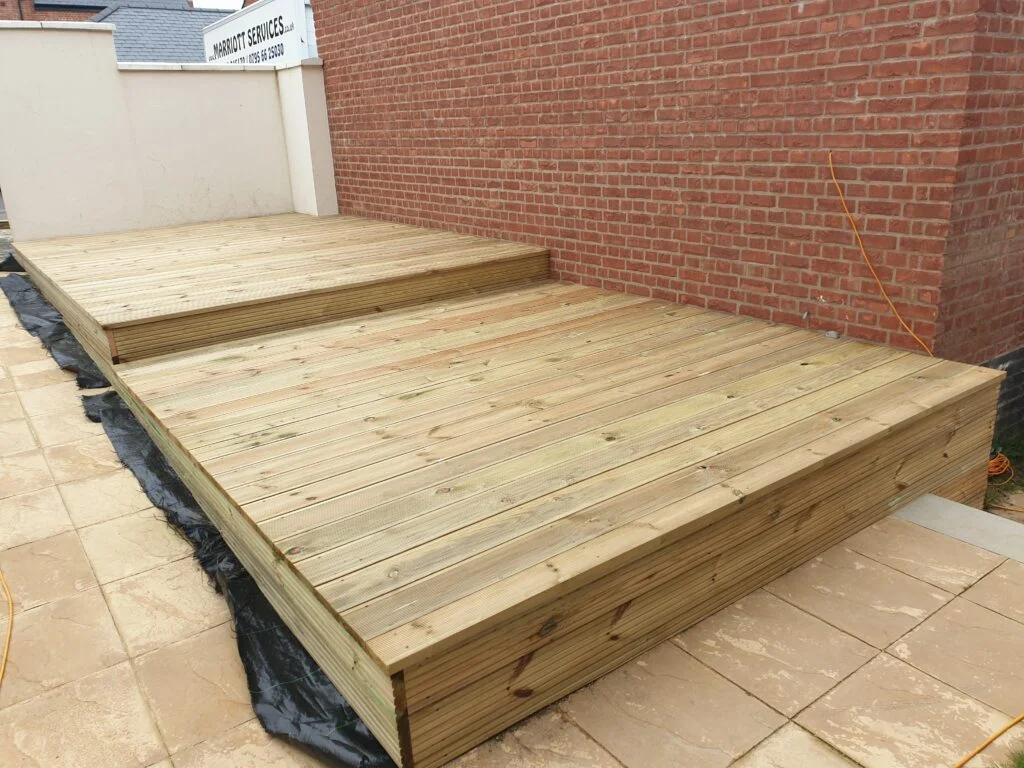
Decking
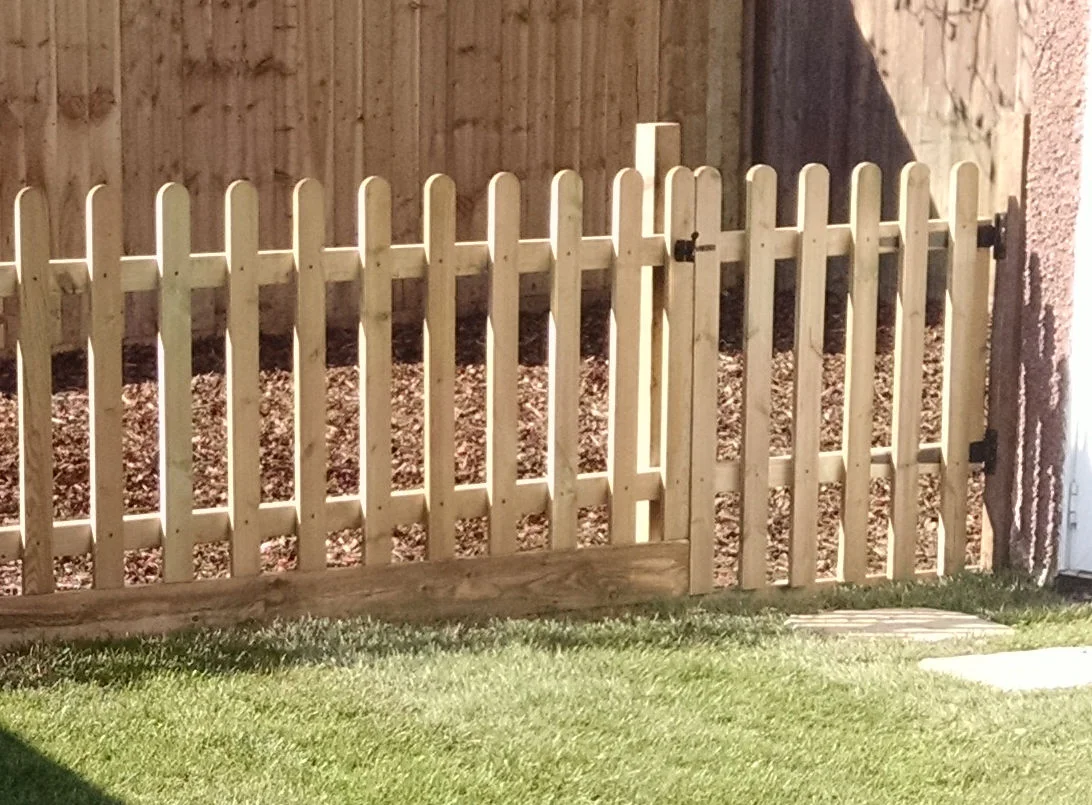
Fencing
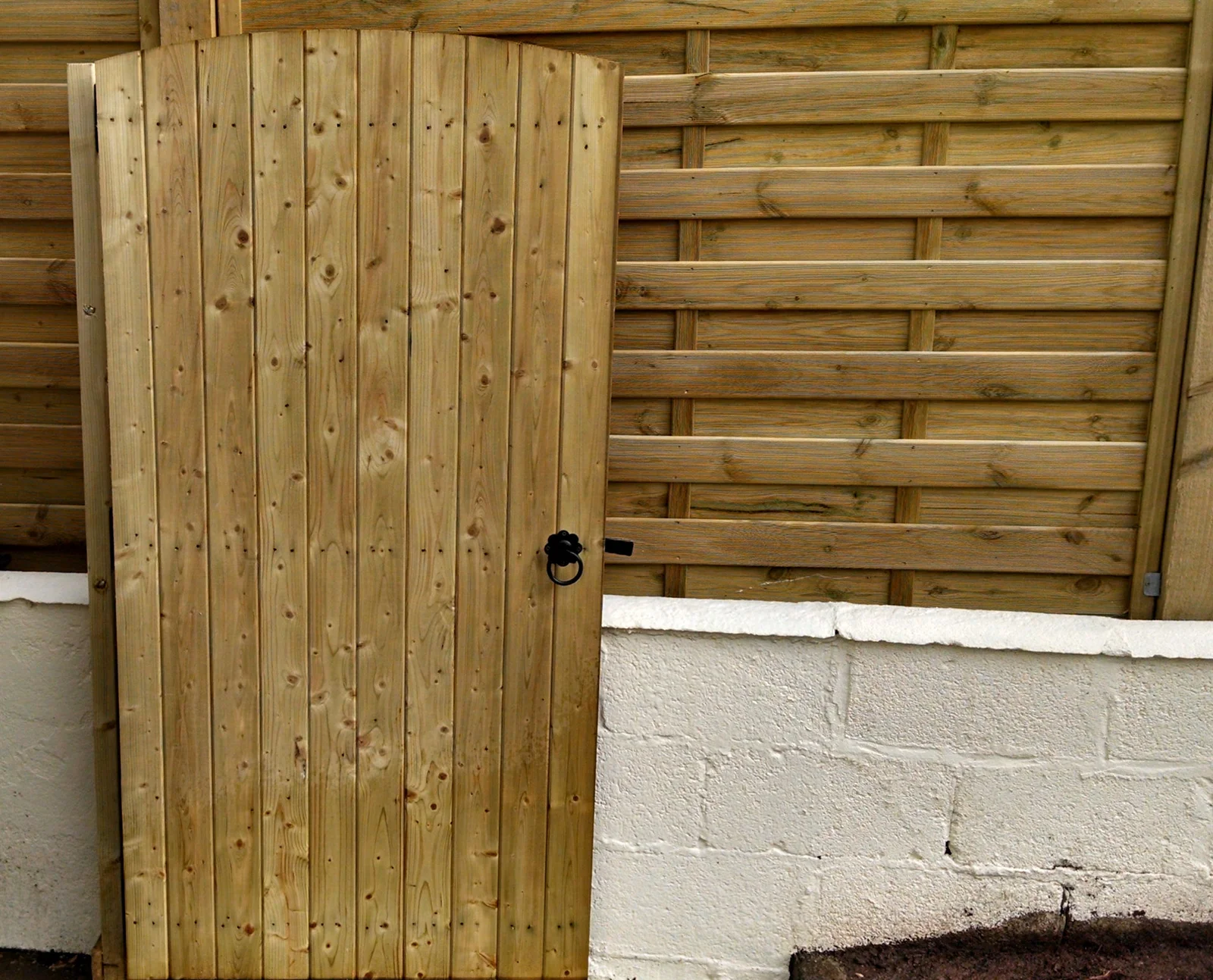
Gates

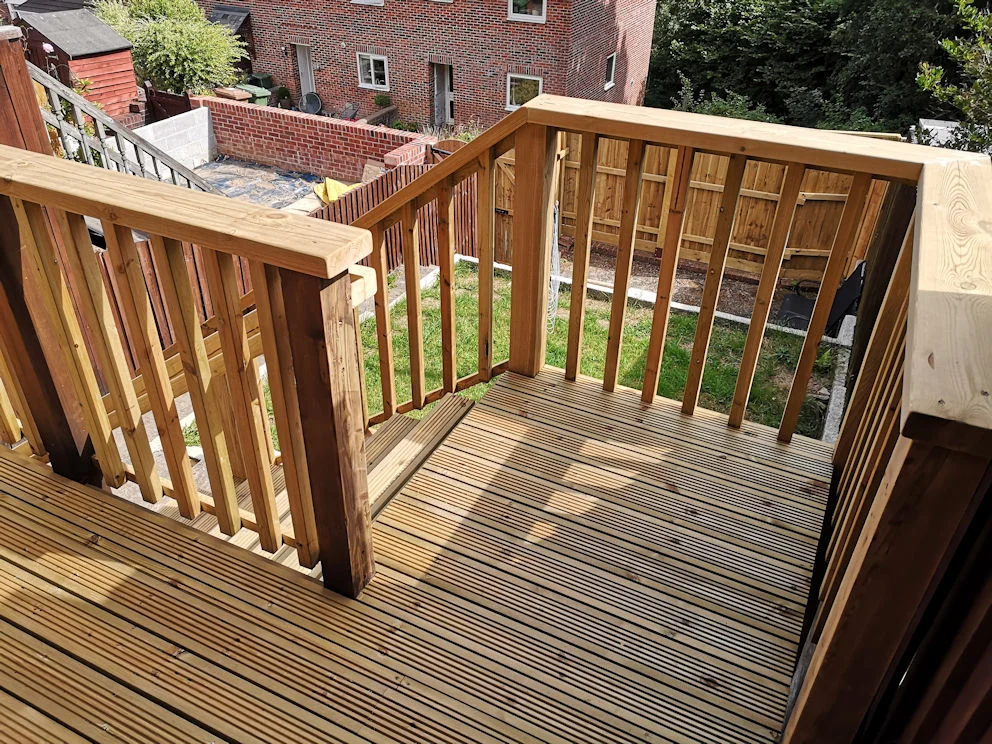
Decking maintenance keeps surfaces safe, slip-resistant and attractive.
In the UK climate, simple seasonal care goes a long way.
Get your free quoteTimber fence panels face the full force of British weather. Rain, damp air, wind and UV exposure all take their toll over time.
The good news is that a simple maintenance routine can significantly extend the life of timber fencing and keep it looking tidy year after year.
This guide explains how to clean, treat and repair timber fence panels so they last as long as possible.
At least once or twice a year, it’s worth giving your fencing a proper check and clean.
Brush off dirt, cobwebs and loose leaves
Clear soil build-up at the base
Remove vegetation touching the panels
Organic matter holds moisture against the timber, increasing the risk of rot and algae growth.
Use:
Mild detergent and water
A soft or medium brush
A hose (avoid aggressive pressure washing)
Cleaning makes it much easier to spot early problems such as:
Cracks or splits
Loose boards
Nails or fixings pulling away
Early signs of soft timber
Pay particular attention to:
The bottom edge of panels
The base of posts
Areas that remain shaded or damp
These are usually the first places where rot begins.
Timber fencing benefits from periodic protection. In most UK gardens, this means:
Re-staining
Repainting
Applying preservative treatment
Typically every 2–3 years, though this depends on:
Exposure to wind and rain
Whether the fence is south-facing (more UV)
The quality of the original treatment
Clean the fence thoroughly
Allow it to dry fully
Repair any damage
Replace broken boards if necessary
Applying paint or stain to damp or damaged timber can trap moisture and shorten lifespan.
Good treatments help:
Repel water
Reduce UV damage
Limit splitting and warping
Slow down surface greying
Not every issue means full replacement.
Re-securing loose boards
Replacing individual panels
Tightening fixings
Reinforcing rails
These smaller jobs can extend the life of a fence line significantly.
Rotten or unstable posts are usually the bigger concern.
If posts move or feel soft at ground level, sections may need:
Post replacement
Re-setting in concrete
Partial rebuild
Posts are the structural backbone of the fence. Once they fail, panels quickly follow.
A few practical steps make a real difference:
Keep soil and gravel below panel edges
Fit gravel boards where appropriate
Trim back plants and hedges
Avoid stacking items directly against panels
Inspect after storms or high winds
Small preventative checks now often avoid larger repair costs later.
Once or twice a year is usually enough for most UK gardens, with extra attention in shaded or damp areas.
Light pressure washing can be used carefully, but too much force can damage timber fibres and shorten lifespan.
If the post feels soft, moves easily, or shows rot at ground level, replacement is often necessary.