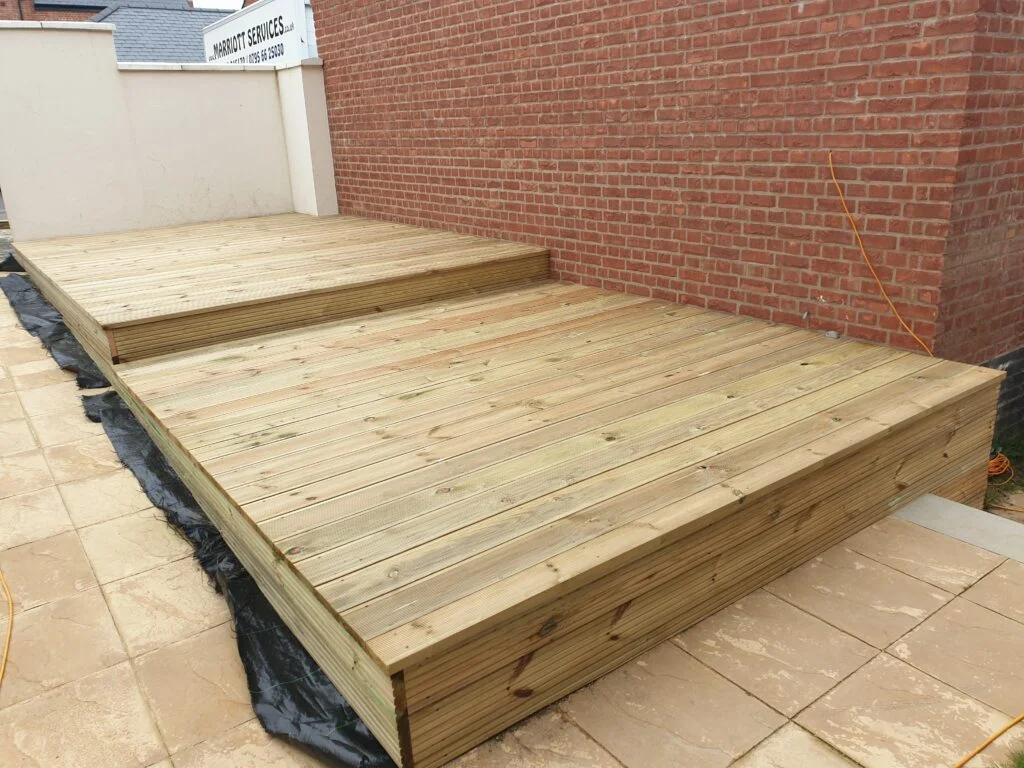
Decking
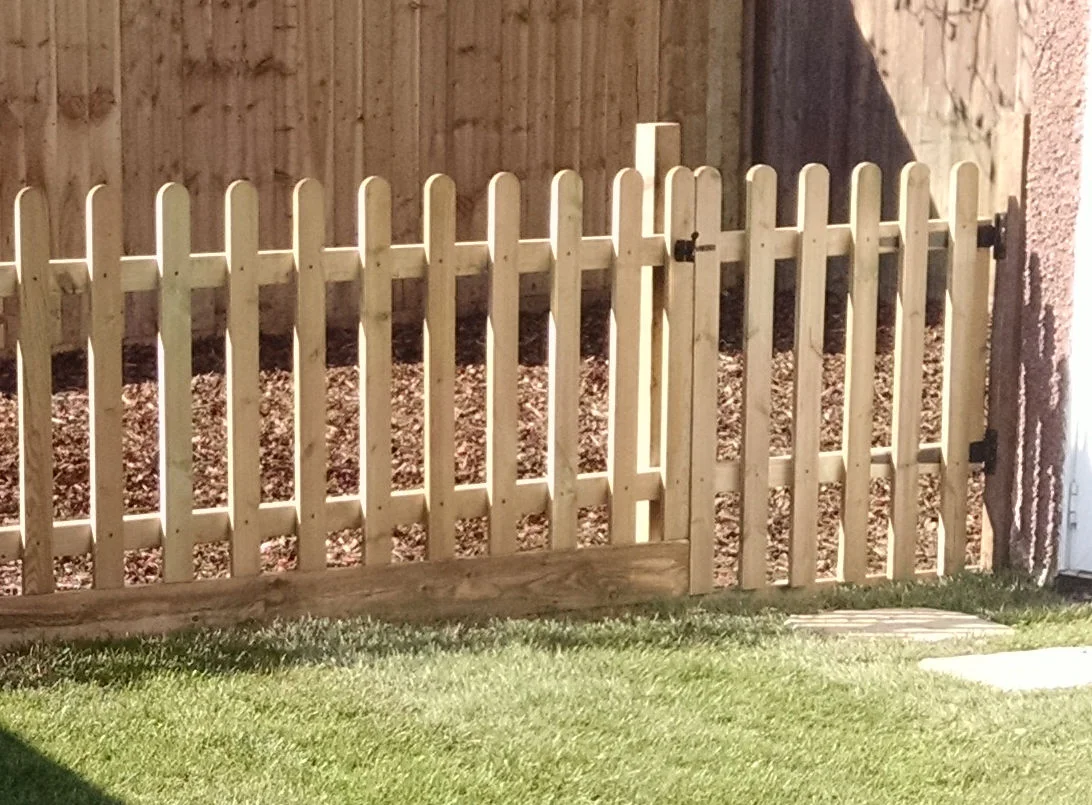
Fencing
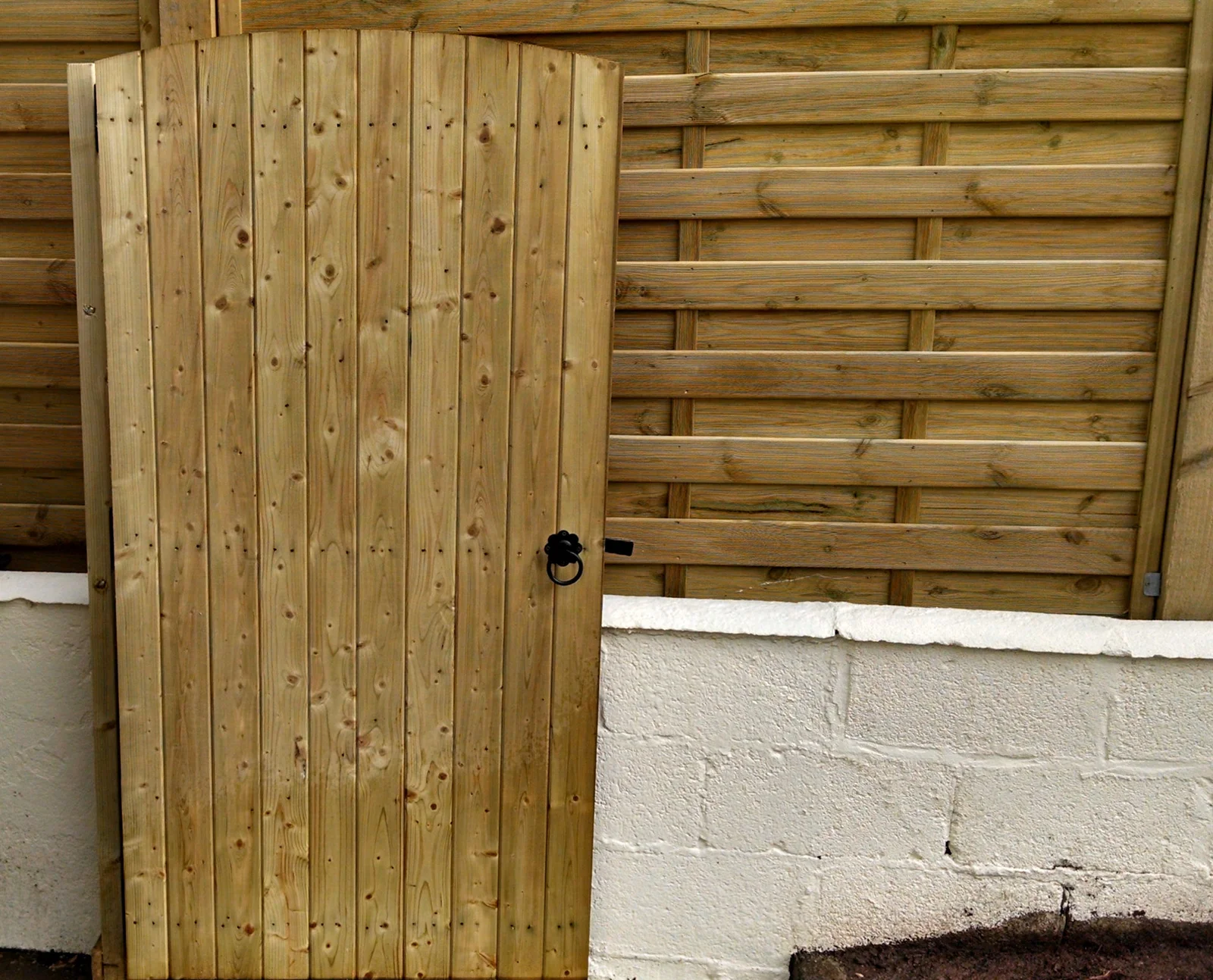
Gates

When comparing timber vs composite garden fencing, the upfront price only tells part of the story.
In UK gardens, especially in damp or coastal areas like Plymouth, exposure to rain, wind and changing temperatures plays a major role in how fencing performs over time. The real difference between timber and composite often shows up years after installation — in maintenance, durability and long-term cost.
This guide explains how both materials age, what maintenance they need, and which tends to last longer in typical British conditions.
Timber fencing remains one of the most widely used options across the UK. It offers a traditional appearance and works well in most garden styles.
However, timber is naturally affected by:
Moisture and persistent damp
Soil contact at the base of posts
UV exposure
Seasonal expansion and contraction
Over time, you may see:
Rot at the base of posts
Softening of rails
Warping or splitting of boards
Fading or greying of untreated wood
Rot most commonly starts where timber sits in wet ground or where water collects at the base of panels.
To extend lifespan, timber fencing typically needs:
Cleaning once or twice a year
Repainting, staining or treating every few years
Occasional replacement of individual boards or panels
Regular treatment helps repel water and reduce UV damage, but it does add to the overall time and cost of ownership.
That said, well-built timber fencing with good quality posts and proper ground clearance can last many years when looked after properly.
Composite fencing is designed to address many of the weaknesses associated with timber.
Typically made from a blend of wood fibres and recycled plastics, composite panels are engineered to be:
More resistant to rot
Less prone to insect attack
More stable in damp conditions
Consistent in colour and finish
Composite fencing usually requires:
Occasional washing to remove dirt and algae
No painting or staining
Minimal structural upkeep
It is still important to install composite fencing correctly, particularly posts and fixings. Even though the panels resist rot, poor installation can still lead to movement or instability.
Composite fencing usually costs more initially than basic timber panels. However, because it requires far less ongoing maintenance, some homeowners find that long-term ownership costs can be comparable or lower.
There isn’t a single universal answer.
Lifespan depends heavily on:
Product quality
Installation standards
Ground conditions
Exposure to wind and moisture
Ongoing maintenance
Many composite systems are marketed with longer guarantees than standard timber fencing.
However, a well-installed timber fence using treated posts, gravel boards and proper drainage can also perform well for many years.
The difference often comes down to how much maintenance you’re prepared to carry out.
| Feature | Timber Fencing | Composite Fencing |
|---|---|---|
| Upfront Cost | Lower | Higher |
| Maintenance | Regular painting/staining | Occasional cleaning |
| Rot Resistance | Moderate (depends on treatment) | High |
| Appearance | Natural grain, adaptable | Uniform, modern finish |
| Lifespan | Good with care | Often longer with minimal upkeep |
It can be if you prefer lower maintenance and a consistent finish without repainting every few years.
No. Rot usually occurs where timber remains damp or in contact with soil. Good installation and regular treatment significantly extend lifespan.
Composite generally resists moisture better, but properly installed and maintained timber can still perform well.