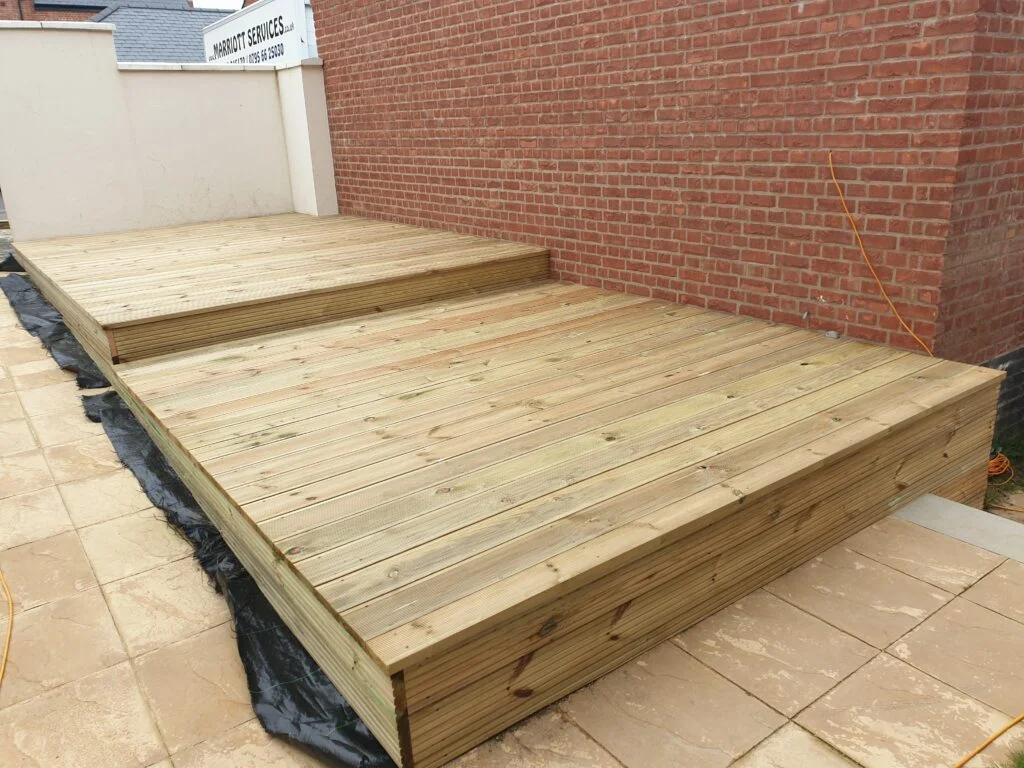
Decking
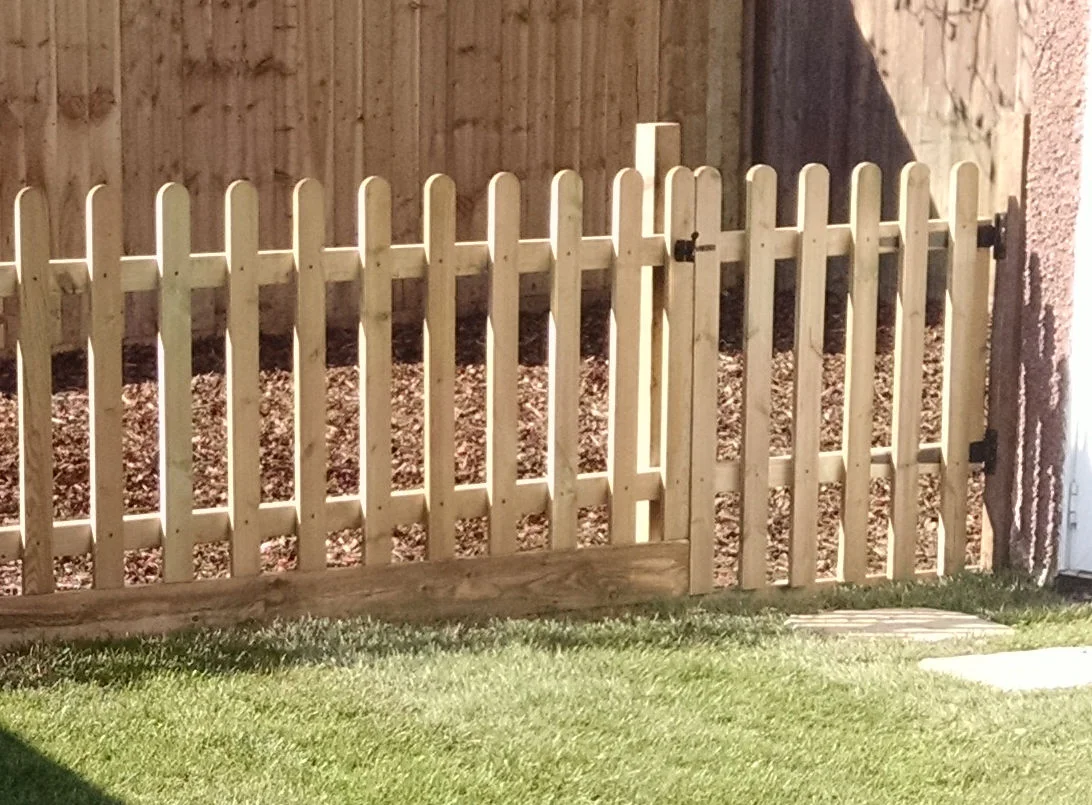
Fencing
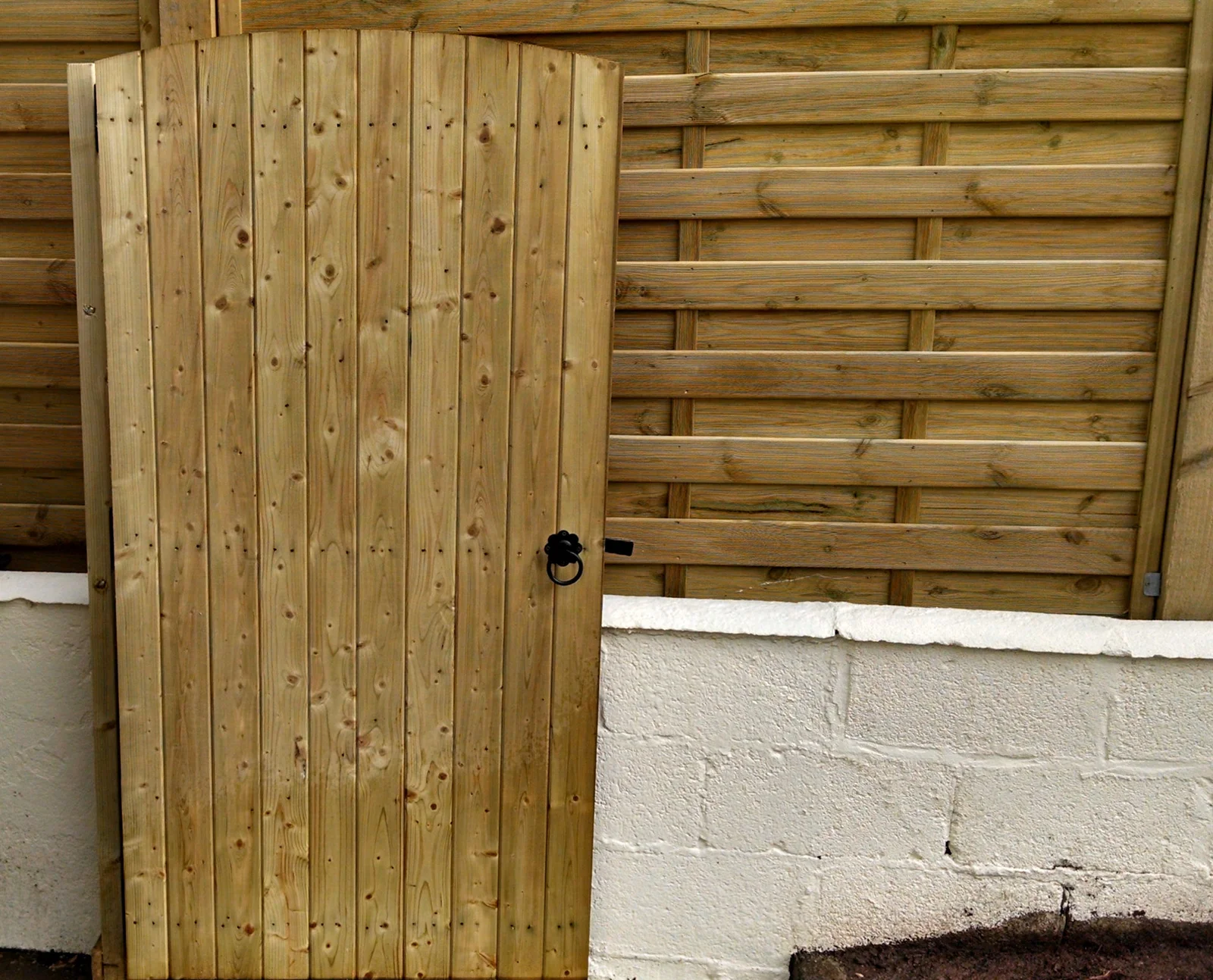
Gates

Most decking failures in the UK are caused by poor groundwork — not bad boards.
Before choosing timber or composite, you need to get the structure right.
Get your free quote
Building a deck straight onto:
Grass
Topsoil
Mud
Uncompacted ground
will almost always lead to movement and sinking.
Soil holds moisture. Moisture causes:
Timber rot
Frame weakness
Uneven surfaces
Structural instability
Removing topsoil
Installing weed membrane
Compacted hardcore
Concrete pads or ground screws
Correct load distribution
A solid base prevents expensive repairs later.
Your deck boards sit on a structural frame, usually made from:
Pressure-treated timber joists
Steel systems
Composite framing systems
Joist spacing is critical. Composite boards especially require correct spacing to prevent flex.
Adequate airflow underneath
Proper drainage fall
Raised framing off soil contact
Galvanised or stainless fixings
Poor airflow is one of the biggest causes of premature rot.
Sometimes — but only if:
Joists are structurally sound
No soft spots
No excessive movement
Fixings are intact
Posts are stable
If upgrading from timber to composite, joist spacing may need adjustment.
A new surface on a failing frame is a short-term fix.
Depth depends on ground type and height. Posts should be below frost line and secured in concrete where required.
Yes. Even moisture-resistant boards require airflow to prevent trapped damp and structural decay.